


Die Schweiz bleibt ein wichtiger Standort: «Wir werden weiterhin Plattformen entwickeln, die Branchen und Communities verbinden – vor Ort, global und langfristig»
English below. Die MCH Group steigert ihre Profitabilität mit einem Reingewinn von 18.6 Millionen Franken. Mit dem Projekt Futurific Institute bereitet sie eine neue globale Veranstaltungsreihe vor - beginnend in Basel. Verwaltungsratspräsident Andrea Zappia äussert gibt im smartville.digital-Interview eine Standortbestimmung der MCH Group.
von Urs Seiler || 24. März 2026

Die MCH Group hat ihre finanzielle Performance im Jahr 2025 weiter verbessert, die Profitabilität gesteigert und gleichzeitig eine positive Cash-Generierung erzielt – trotz eines herausfordernden makroökonomischen Umfelds, geprägt von Wechselkursschwankungen und Marktunsicherheiten. Durch gesteigerte operative Effizienz und die kontinuierliche Weiterentwicklung ihres Portfolios erzielte die Gruppe deutliche Fortschritte bei der Umsetzung ihrer strategischen Prioritäten.
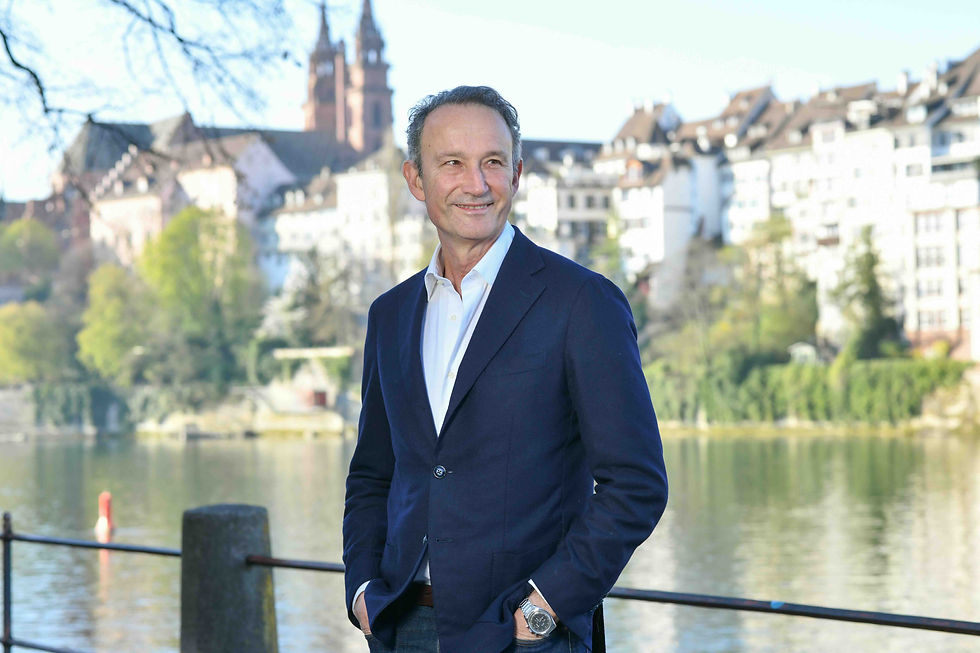
Andrea Zappia, Sie sind seit April 2022 Verwaltungsratspräsident und seit April 2025 CEO ai der MCH Group. Was hat sich seither getan, wie beurteilen Sie die Entwicklung? Was beschäftigt Sie zur Zeit zur MCH Group am meisten und ist die grösste Herausforderung?
Zunächst möchte ich sagen, dass ich sehr stolz auf die Arbeit bin, die das MCH-Team in den vergangenen Jahren geleistet hat, insbesondere mit einer weiteren Beschleunigung im Jahr 2025. Wir dürfen nicht vergessen, wie einschneidend der COVID-Schock für ein Geschäftsmodell war, dessen Lebensader darin besteht, Menschen zusammenzubringen – sei es durch unsere Messen und Marktplätze, unsere Veranstaltungsorte für Dritte oder unsere Agenturarbeit weltweit.
Das Geschäft kam zeitweise nahezu zum Stillstand. Anfangs wurde unsere Stabilität durch Eigenkapital unserer Aktionäre sowie Unterstützung von Versicherungen und Behörden gesichert. Danach wurde uns klar, dass wir unser Geschäftsmodell von Grund auf widerstandsfähiger machen müssen.
Wir haben unsere Betriebsmodelle vereinfacht und moderne IT-Plattformen in allen Kernbereichen eingeführt – ein Prozess, der derzeit noch umgesetzt wird. Gleichzeitig haben wir unseren Führungskräften Möglichkeiten gegeben, um Innovationen voranzutreiben und neue Geschäftsideen zu entwickeln, z. B. Art Basel Qatar und der health.tech | global summit. Zudem haben wir die Zusammenarbeit zwischen Divisionen und zentralen Funktionen gestärkt.
Wir haben unsere Rolle in der lokalen Gemeinschaft gefestigt und gleichzeitig den internationalen Umsatz gesteigert. Es gibt kein Patentrezept – sondern eine Kombination aus soliden Ideen und engagierter täglicher Arbeit. Unser Fokus liegt auf drei strategischen Prioritäten: maximale Kundenzufriedenheit, konsequente operative Exzellenz und kontinuierliche Innovation.
Natürlich bleiben Herausforderungen bestehen: strukturelle Veränderungen in der Messebranche, geopolitische Unsicherheiten und Währungseffekte. Unsere Aufgabe ist es, ein robustes Geschäftsmodell aufzubauen, das auch unerwartete Krisen übersteht.
Gleichzeitig entstehen neue Chancen. Wir wollen neugierig und agil bleiben, um diese Chancen zu nutzen – basierend auf unseren Stärken: unsere Veranstaltungszentren, unsere Marken und unsere Mitarbeitenden.
Wir werden weiterhin Plattformen entwickeln, die Branchen und Communities verbinden – vor Ort, global und langfristig. Allerdings nur dort, wo wir eine klare Daseinsberechtigung haben.
Aktuell beschäftigt mich besonders die Balance zwischen Unternehmenswachstum und Organisationsentwicklung. Während wir wachsen, müssen wir gleichzeitig unsere Arbeitsweise verbessern, Talente fördern und die richtige Organisationsstruktur schaffen. Unser Ziel ist ein leistungsstarkes Umfeld.
Gemäss der jüngsten Studie der BAK Economics vom 2025 lagen die gesamtwirtschaftlichen Effekte der MCH Group im Jahr 2024 bei 330 Millionen Franken. Im Jahr 2006 bei der letzten Studie lagen sie noch bei 4 Milliarden Franken. Die Zahlen zeigen ziemlich deutlich den Niedergang der schweizerischen Messewirtschaft. Wie diagnostizieren Sie diesen Rückgang in der Schweiz und beurteilen Sie ihn als irreversibel?
Es ist wichtig zu betonen, dass die beiden Studien nicht vergleichbar sind, da die Datenerhebung nicht auf den gleichen Parametern basiert. Es zeigt sich aber bei beiden Studien: Unsere Veranstaltungen sind ein wichtiger Wirtschaftsfaktor für Basel und die Region – sie bringen Gäste, schaffen Arbeitsplätze und stärken lokale Unternehmen.
Die Messebranche hat sich weltweit verändert. Früher standen Produktpräsentationen im Fokus, heute Netzwerke, Communities und Inhalte.
Es handelt sich also weniger um einen Rückgang als vielmehr um eine Transformation. Neue Formate entstehen, bestehende entwickeln sich weiter. Die Schweiz bleibt ein relevanter Standort – vorausgesetzt, Plattformen sind international ausgerichtet.
Wenn man die Umsatzzahlen der MCH Group in der Schweiz von noch 50 Millionen Franken gemäss der BAK Studie im Gegensatz zum Gesamtumsatz von 418 Millionen Franken im Jahr 2024 gegenüberstellt, ergibt das ein deutliches Bild, dass die Schweiz für die MCH Group immer unbedeutender wird. Lohnt sich das Schweizer Geschäft überhaupt noch mit Messen wie der health.tech, Swissbau, Ilmac oder der Holz und Ineltec?
Die Schweiz bleibt für uns ein zentraler Standort – nicht nur wirtschaftlich, sondern auch strategisch. Basel ist die Heimat der MCH Group und der Ort, an dem unsere wichtigsten Plattformen entstanden sind.
Die Art Basel, unsere erfolgreichste Kunstmesse, findet weiterhin hier statt, und Basel bleibt ein zentraler Treffpunkt für die internationale Kunstwelt. Gleichzeitig zeigen Formate wie die Swissbau, die Ilmac und die Holz sowie neue Initiativen wie der health.tech | global summit, dass Basel weiterhin eine wichtige Rolle spielen kann, insbesondere in Bereichen, in denen die Schweiz international führend ist, wie beispielsweise in den Life Sciences, im Bauwesen und in der Technologie.
Die hohen Besucherzahlen und die große Zahl der Aussteller zeigen deutlich, dass unsere Plattformen weiterhin eine wichtige Rolle für die jeweiligen Branchen spielen und dass das persönliche Networking vor Ort nach wie vor unverzichtbar ist.
Die schweizerische Messewirtschaft hat ganz andere Strukturen und Herausforderungen als andere Messeländer, zum Beispiel die Kleinheit des Marktes. Was sind in der Schweiz die grössten Herausforderungen, etwa die aufwändigen Zollbestimmungen, inwieweit haben Sie eine Vision, wie die strukturellen Probleme am Messeplatz Schweiz gelöst werden können?
Die Schweiz ist naturgemäss ein relativ kleiner Markt und gleichzeitig ein teurer Standort. Das bedeutet, dass es sinnvoll ist, Veranstaltungen von Anfang an international zu denken.
Gleichzeitig verfügt die Schweiz über wichtige Standortvorteile: politische Stabilität, eine starke Forschungslandschaft, international tätige Unternehmen und ein hohes Mass an Innovation. Wenn diese Faktoren zusammenspielen, kann die Schweiz weiterhin ein sehr erfolgreicher Messestandort sein.
Wir haben in Basel off-the-record darüber gesprochen, ob die MCH Group einen CEO sucht oder ob Sie die Position behalten werden. Inwiefern ist das heute ein Thema, über das Sie sich äussern können?
Der Verwaltungsrat führt derzeit eine strukturierte Evaluation der zukünftigen Führungsstruktur durch. Meine Rolle als CEO besteht darin, Stabilität zu gewährleisten und die strategische Weiterentwicklung der Gruppe in Abstimmung mit dem Verwaltungsrat voranzutreiben, solange dies erforderlich ist.
Wenn wir uns in der schweizerischen Messewirtschaft umsehen, haben wir den Eindruck, das Thema «Nachhaltigkeit» ist aufgrund akuter Probleme wie Teuerung, Kostendruck, Fachpersonalmangel oder die geopolitische Situation etwas in den Hintergrund gerückt. Welche Strategie verfolgt die MCH Group, namentlich in bezug auf die schwierig zu bestimmenden Handlungen von Dienstleistern (scope 3)?
Nachhaltigkeit bleibt für uns ein zentrales Thema. Wir arbeiten daran, unsere Emissionen entlang der gesamten Wertschöpfungskette zu reduzieren, auch gemeinsam mit Partnern und Lieferanten. Die Zusammenarbeit mit Partnern und Lieferanten ist insbesondere im Hinblick auf Scope-3-Emissionen von grosser Bedeutung.
So arbeiten wir beispielsweise eng mit Catering-Anbietern oder Materiallieferanten zusammen – nicht nur, um Emissionsdaten zu erfassen, sondern auch, um emissionsärmere und innovative Produkte zu testen und als neue Standards zu etablieren.
Ein weiteres Beispiel ist unsere Zusammenarbeit mit dem Energieversorger IWB zur Verbesserung der Energieeffizienz unserer Veranstaltungszentren. Unser Ziel ist es, unsere energiebedingten Emissionen bis 2030 im Vergleich zu 2023 zu halbieren.
Der Messeplatz Schweiz hat in den letzten Jahren so renommierte internationale Messen wie die Baselworld oder den Automobilsalon in Genf verloren. Gibt es ein Leben auf dem Messeplatz Schweiz ohne wirklich grosse Messen? Was halten Sie von der oft gehörten Spekulation, «Festivals» seien eine Antwort auf Fachmessen? Was hätten die Unternehmen, die im B:to:Geschäft tätig sind, davon?
Wie die Branche weltweit befindet sich auch die Schweiz als Messestandort in einem Wandel. Einige traditionelle Grossmessen sind verschwunden, während neue Formate und Plattformen entstehen, die stärker auf Inhalte, Austausch und Innovation ausgerichtet sind.
Ein aktuelles Beispiel dafür ist unser neu health.tech global summit, der vor drei Wochen erstmal in Basel stattgefunden hat. Der Summit bringt führende Persönlichkeiten aus Technologie, Forschung, Start-ups und Industrie zusammen, um die Zukunft der Gesundheitstechnologie zu diskutieren und neue Kooperationen anzustossen.
Formate mit Festivalcharakter können durchaus eine Rolle spielen, insbesondere wenn sie Inspiration, Wissensaustausch und Networking miteinander verbinden. Für Unternehmen im B2B-Bereich bleibt es jedoch entscheidend, dass solche Plattformen konkrete Begegnungen, Partnerschaften und Geschäftsmöglichkeiten ermöglichen. Genau darin liegt weiterhin der eigentliche Mehrwert von Messen und Kongressen.

Der Aktienkurs der MCH Group hat parallel zum Rückgang der schweizerischen Messewirtschaft stark gelitten und liegt heute auf einem Niveau von 4.42 Franken nach einem All-Time-Hoch von 63.76 Franken. Wie massgebend ist der Aktienkurs als Massstab für die Aktivitäten der MCH Group eigentlich noch und was würden Sie einem Investor empfehlen - kaufen oder verkaufen oder halten?
Der Aktienkurs ist naturgemäss ein wichtiger Indikator dafür, wie ein Unternehmen am Kapitalmarkt wahrgenommen wird, bildet jedoch die langfristige Entwicklung und Transformation eines Unternehmens nicht vollständig ab.
Unser aktueller Fokus liegt klar auf der weiteren Konsolidierung und der Stärkung unserer finanziellen Basis. Eine Dividendenausschüttung wird erst in Betracht gezogen, wenn eine nachhaltige Profitabilität erreicht ist. Gleichzeitig setzen wir unsere strategische Transformation konsequent um, entwickeln unsere Plattformen international weiter und erschliessen neue Wachstumsmärkte.
Langfristig ist eine nachhaltige operative Performance die wichtigste Grundlage für eine positive Perspektive für Investoren. Wichtig ist dabei zu sagen: Als Unternehmen können und dürfen wir keine Anlageempfehlungen abgeben.
Anfang Februar 2026 fand in Qatar die erste Art Basel Qatar statt. Wie ist Sie für die MCH Group verlaufen, welche Konsequenzen ziehen Sie zur Weiterführung?
Die erste Art Basel in Katar war für uns sehr erfolgreich. Die Kunstmesse hatte einen eigenen Charakter und unterschied sich bewusst von unseren anderen Veranstaltungen in Basel, Miami Beach, Hongkong und Paris – mit einem besonders starken Fokus auf Künstler. Gleichzeitig waren die Verkaufszahlen in allen Segmenten sehr ermutigend.
Für uns bestätigt dies, dass im internationalen Kunstmarkt Raum für neue Plattformen besteht. Wir sehen Katar daher als verlässlichen Partner und werden die Messe gemeinsam mit unseren Partnern vor Ort weiterentwickeln – in der Hoffnung, dass sich die kritische Situation in der Region bald verbessert.
Die Art Basel ist das Flaggschiff der MCH Group mit Austragungen in Basel, Paris, Miami, Hong Kong und jetzt eben in Qatar. Was leisten die Art Basel-Marken im Ausland für die Art in Basel?
Die verschiedenen Art-Basel-Standorte stärken sich gegenseitig. Jede Messe hat ihren eigenen regionalen Kontext und ihre eigene Community. Gemeinsam bilden sie ein globales Netzwerk für Galerien, Sammler und Institutionen.
Letztlich stärkt dies auch die Position der Art Basel in Basel, die weiterhin die grösste und umsatzstärkste Messe im Art-Basel-Portfolio ist. Um diese starke Position zu halten, dürfen wir uns jedoch nicht ausruhen und müssen weitere Innovationen vorantreiben. Das Team arbeitet an mehreren neuen Initiativen für Art Basel, darunter eine zweite, noch stärkere Ausgabe der Art Basel Awards sowie der Bereich Zero10 Digital Art.
Zur Art Basel Qatar ergab sich beim Grossaktionär der Stadt Basel Kritik und die Basler Zeitung mutmasste, dass der Kanton ein Interesse haben könnte, die MCH Group zu übernehmen, um selber bestimmen zu können. Was halten Sie davon?
Wir arbeiten sehr konstruktiv mit unseren Ankeraktionären zusammen, darunter dem Kanton Basel-Stadt und Lupa Systems. Unser Fokus liegt klar auf der Weiterentwicklung der Gruppe und ihrer Plattformen.
Im gleichen Artikel wird gemutmasst, dass die Art Basel in Paris eine direkte Konkurrenz zur Art in Basel sei. Wie beurteilen Sie diese Spekulation und welche Strategie hat die MCH Group in bezug auf diese nahe beeinander liegen europäischen Kunstmessen und das Gerücht, die MCH Group setze langfristig auf die Art Basel Paris zu Lasten der Messe in Basel?
Paris und Basel erfüllen innerhalb von Art Basel unterschiedliche und sich ergänzende Rollen. Basel ist und bleibt das historische Zentrum von Art Basel und der Ort, an dem die Messe ihre Wurzeln hat. Die enge Verbindung zur Stadt, ihrer Kunstszene und ihren Institutionen prägt bis heute die Identität der Art Basel in Basel.
Paris eröffnet gleichzeitig den Zugang zu einer weiteren dynamischen europäischen Kunstszene und erweitert unser internationales Netzwerk. Beide Standorte ergänzen und stärken sich gegenseitig und besetzen zwei unterschiedliche und wichtige Zeitpunkte im Kunstkalender.
Bekanntlich ist das Live Marketing-Unternehmen MC2 in den USA und Europa der bedeutendste Umsatzträger der MCH Group. Wie hat sie sich entwickelt?
MC² hat sich in den vergangenen Jahren sehr positiv entwickelt und ist heute ein zentraler Bestandteil unseres Bereichs Live Marketing Solutions. Das Unternehmen realisiert weltweit Projekte für internationale Marken und setzt jedes Jahr mehrere tausend Markenaktivierungen und Events um.
Mit ihrer starken Präsenz insbesondere in den USA und Projekten auf mehreren Kontinenten leistet MC² einen wesentlichen Beitrag zur internationalen Positionierung der MCH Group. Diese Entwicklung zeigt, dass Live-Marketing und immersive Markenerlebnisse für Unternehmen weiterhin an Bedeutung gewinnen – und dass wir in diesem Bereich sehr gut aufgestellt sind.
Natürlich agiert LMS in einem sehr wettbewerbsintensiven Markt und ist konjunkturellen Schwankungen sowie geopolitischen Krisen ausgesetzt. Wir sind sehr zufrieden mit der äußerst kompetenten Führung der Division und damit, wie sie ihre geografische Präsenz ausgebaut hat.
Nicht erst seit der Covid-Pandemie wurde schon das Ende von Messen prognostiziert mit dem Argument, dass «Onlinetreffen» ja ausreichen. Das hat sich als Fehlschluss erwiesen, im Gegenteil, je digitalisierter die Wirtschaft wird, desto beliebter werden persönliche Treffen, namentlich im Geschäftsbereich. Welche Digitalität brauchen Messen wirklich, was bringt sie weiter und was nicht?
Prognosen über das Ende von Messen haben sich nicht bestätigt. Im Gegenteil: In einer zunehmend digitalen Wirtschaft wächst die Nachfrage nach persönlicher Interaktion. Unsere Zahlen verdeutlichen dies: 2025 durften wir rund 680’000 Besucher an unseren Veranstaltungen begrüssen – ein klares Zeichen für die starke Nachfrage nach Plattformen wie Messen und Kongressen.
Die Digitalisierung spielt eine wichtige Rolle, insbesondere in der Vorbereitung, beim Networking und in der Nachbereitung von Veranstaltungen. Der eigentliche Mehrwert entsteht jedoch weiterhin durch persönliche Begegnungen vor Ort.
Wir sehen weltweit wirklich keine erfolgreichen sogenannten «virtuellen Messen». Was hören Sie dazu von Ihren Aussteller- und BesucherInnenkunden, haben die überhaupt schon einmal nach der Verlängerung ihrer Messebeteiligung auf 365 Tage im Jahr gefordert? Was ist Ihre persönliche Affinität zu «virtuellen Messen» - ein Etikettenschwindel?
Rein virtuelle Messen haben sich tatsächlich kaum als nachhaltiges Format etabliert. Unsere Ausstellerinnen und Aussteller und Besucherinnen und Besucher schätzen insbesondere den persönlichen Austausch, spontane Begegnungen sowie das direkte Erleben von Produkten und Inhalten – etwas, das digital nur begrenzt abgebildet werden kann.
Wie bereits erwähnt, gewinnen Digitale Lösungen zwar zunehmend an Bedeutung, und hybride Ansätze, bei denen digitale Tools den Wert einer physischen Messe ergänzen, werden weiter zunehmen, aber der Kern einer erfolgreichen Messe bleibt jedoch die persönliche Begegnung vor Ort.
Anderseits hat Digitalität die gesamten Messe-Administration für Veranstalter, für Aussteller und für BesucherInnen drastisch erleichtert. Was ist hier noch zu erwarten, etwas durch den Einsatz von Künstlicher Intelligenz? Woran arbeitet die MCH Group?
Die Digitalisierung vereinfacht bereits heute viele organisatorische Prozesse rund um Messen und Kongresse – von der Registrierung über die Planung bis hin zum Networking vor Ort. Gleichzeitig investieren wir derzeit gezielt in unsere IT-Infrastruktur, um unsere Prozesse effizienter zu gestalten und unsere Plattformen weiterzuentwickeln.
Ein aktuelles Beispiel ist beispielsweise die App, die wir beim health.tech | global summit eingesetzt haben. Sie ermöglichte es den Teilnehmenden, sich einfach zu vernetzen, Meetings zu vereinbaren und relevante Kontakte zu identifizieren – und so den persönlichen Austausch vor Ort gezielt zu fördern.
Künftig wird auch künstliche Intelligenz eine grössere Rolle spielen, etwa beim präziseren Matching von Teilnehmenden oder bei der Personalisierung von Inhalten. Unser Ziel bleibt es, digitale Lösungen so einzusetzen, dass sie die persönliche Interaktion auf unseren Plattformen sinnvoll ergänzen.
TAKE OUT
-------- English --------
Switzerland remains an important market: «We will continue to develop platforms that connect industries and communities – locally, globally and for the long term»
The MCH Group has boosted its profitability, posting a net profit of 18.6 million Swiss francs. With the Futurific Institute project, it is preparing a new global series of events – starting in Basel. In an interview with smartville.digital, Chairman of the Board of Directors Andrea Zappia gives an update on the MCH Group’s current situation.
by Urs Seilerl || 24 March 2026
MCH Group further strengthened its financial performance in 2025, improving profitability and maintaining cash generation despite a challenging macroeconomic environment marked by exchange rate volatility and market uncertainty. Through disciplined execution, increased operational efficiency and continued portfolio development, the Group achieved significant progress in its strategic priorities.
Andrea Zappia, you have been Chairman of the Board of Directors of MCH Group since April 2022 and CEO ad interim since February 2026. What has happened since then, how do you assess the development and your level of satisfaction with it? What currently occupies your mind most regarding MCH Group and what keeps you awake at night – what is the biggest challenge?
Let me start by saying that I am really proud of the work the MCH team has carried out over the past few years, which has further accelerated during 2025. We cannot forget how significant the shock of COVID was for a business whose lifeblood comes from bringing people together, whether through our fairs and marketplaces, our venues offered to third parties, or the work we do with our agencies around the world.
The business almost stopped for some time. Initially our sustainability was granted by the equity contribution of our shareholders and by the support coming from insurances and local administrations. Since theme we understood we had to make our business more resilient starting from the foundation.
We started simplifying our operating models introducing state of the art IT platforms across all core activities, something that is under full implementation as we speak. We gave our leaders more agency to innovate and introduce new business ideas (Art Basel Qatar and health.tech | global summit are two great examples) and pushed collaboration between the different divisions and with the Group functions.
We have strengthened our role in our local community, while increasing the revenue coming from our international operations. No silver bullet, but a combination of sound business ideas and passionate daily work to deliver continuous improvements in everything part of the business. We are catalyzing our work around three strategic priorities: having always client satisfaction at the top of our mind, relentlessly pursuit operational excellence, imagine and deliver innovation, from small to big things.
Of course, we still face challenges. The exhibition industry has changed structurally, and geopolitical uncertainties as well as currency effects remain challenging factors. Our job is to build a resilient model able to overcome the difficult moments that will happen when less expected.
At the same time, however, new opportunities are emerging. We will be intellectually curious and agile, to capture this opportunities building on what we are good are and our assets: our Venues, our brands our people.
We will keep developing platforms that bring industries and communities together –on site, globally and over the long term. But only those where we have a clear right to play.
What currently occupies me most is finding the right balance between business growth and organization growth. As we expand, we need to be sure that in parallel we improve our way to work, support and promote the right talents and create the right organization. We all want to create a high performance environment.
According to the latest study by BAK Economics from 2025, the overall economic impact of the MCH Group in 2024 was 330 million Swiss francs. In 2006, when the last study was conducted, it was 4 billion Swiss francs. The figures clearly show the decline of the Swiss trade fair industry. How do you diagnose this decline in Switzerland and do you consider it irreversible?
First of all, it is important to note that the 2006 study had a different methodological scope and is therefore not directly comparable with the current study. Our exhibitions and congresses remain an important economic driver for Basel and the region. They bring together guests and companies from all over the world, create jobs, stimulate tourism and strengthen local businesses – an effect clearly demonstrated by our 2024 value creation study.
Having said that, the trade fair industry has changed significantly worldwide – not only in Switzerland. In the past, trade fairs were primarily about classic product presentations. Today, the focus is much more on networks, communities and content, as well as on platforms that are internationally oriented.
What we are observing is therefore less a decline than a transformation of the industry. New formats and themes are emerging while existing platforms continue to evolve. Switzerland remains a relevant location thanks to its innovative strength and strong industries – provided that platforms are internationally oriented and connected.
If you compare the MCH Group's turnover figures in Switzerland of CHF 50 million according to the BAK study with the total turnover of CHF 418 million in 2024, it becomes clear that Switzerland is becoming increasingly insignificant for the MCH Group. Is the Swiss business still worthwhile at all with trade fairs such as health.tech, Swissbau, Ilmac or Holz and Ineltec?
Switzerland remains a central location for us – not only economically but also strategically. Basel is the home of MCH Group and the place where our most important platforms were created.
Art Basel, our most successful art fair, continues to take place here and Basel remains a central meeting point for the international art world. At the same time, formats such as Swissbau, Ilmac and Holz – as well as new initiatives such as the health.tech | global summit – show that Basel can continue to play an important role, particularly in sectors where Switzerland is internationally leading, such as life sciences, construction and technology.
High visitor numbers and the large number of exhibitors clearly demonstrate that our platforms continue to play an important role for their respective industries and that personal networking on site remains essential.
The Swiss trade fair industry has very different structures and challenges than those in Germany and other trade fair countries, for example the small size of the market. What are the biggest challenges in Switzerland, such as the complex customs regulations, and to what extent do you have a vision of how the structural problems at the Swiss trade fair venue can be overcome?
Switzerland is naturally a relatively small market and at the same time a high-cost location. This means that it makes sense to think about events internationally from the outset.
At the same time, Switzerland has important advantages as a location: political stability, a strong research landscape, internationally active companies and a high level of innovation. If these factors work together, Switzerland can continue to be a very successful trade fair location.
At MCH Group's New Year's reception, we talked off the record whether MCH Group is looking for a new CEO or whether you will remain in the position. To what extent is this a topic you can/want to comment on today?
The Board of Directors is currently conducting a structured evaluation of the future leadership structure. My role as CEO is to ensure stability and to drive the strategic development of the Group in alignment with the Board of Directors until necessary.
When we look around the Swiss trade fair industry, we get the impression that the issue of sustainability has taken a back seat due to acute problems such as inflation, cost pressure, a shortage of skilled personnel and the geopolitical situation. Are we mistaken? What strategy is the MCH Group pursuing, particularly with regard to the difficult-to-influence activities of service providers (scope 3)?
Sustainability remains a central topic for us. We are working to reduce our emissions along the entire value chain – also together with partners and suppliers. Cooperation with partners and suppliers is particularly important when it comes to Scope 3 emissions.
For example, we work closely with catering providers or material suppliers not only to collect emissions data from them, but also to test lower-emission and innovative products and establish them as new standards.
Another example is our collaboration with the energy provider IWB to improve the energy efficiency of our venues. Our goal is to halve our energy-related emissions by 2030 compared with 2023.
In recent years, Switzerland has lost such renowned trade fairs as Baselworld and the Geneva Motor Show, both with global attraction. Is there life for Switzerland as a trade fair venue without really big trade fairs? What do you think of the often-heard speculation that "festivals" are the answer to trade fairs? How would companies operating in the B2B sector benefit from this?
Like the industry worldwide, Switzerland as a trade fair location is undergoing a transformation. Some traditional large-scale trade fairs have disappeared, while new formats and platforms are emerging that focus more strongly on content, exchange and innovation.
A current example is our newly launched health.tech global summit in Basel. It brings together leading figures from technology, research, start-ups and industry to discuss the future of health technology and to initiate new collaborations.
Formats with a festival character can certainly play a role, particularly when they combine inspiration, knowledge exchange and networking. For companies operating in the B2B sector, however, it remains crucial that such platforms enable concrete encounters, partnerships and business opportunities. That is where the real value of exhibitions and congresses continues to lie.
The share price of MCH Group has suffered greatly in parallel with the decline of the Swiss trade fair industry and now stands at CHF 4.42 after an all-time high of CHF 63.76. How relevant is the share price actually as a benchmark for the activities of MCH Group, and what would you recommend to an investor – buy, sell or hold?
The share price is naturally an important indicator of how a company is perceived in the capital market, but it does not always fully reflect a company’s long-term development and transformation.
Our current focus is clearly on further consolidation and strengthening the financial foundation of MCH Group. A dividend payment will only be considered once sustainable profitability has been achieved. At the same time, we are consistently implementing our strategic transformation, further developing our platforms internationally and opening up new growth markets.
In the long term, sustainable operational performance is the most important foundation for a positive outlook for investors. Lastly, as a company, we cannot and must not provide investment recommendations.
The first Art Basel Qatar took place in Qatar at the beginning of February 2026. How did it go for the MCH Group, and what conclusions have you drawn for the future?
The first Art Basel in Qatar was very successful for us. The fair had its own character and was deliberately different from our other shows in Basel, Miami Beach, Hong Kong and Paris – with a particularly strong focus on artists. At the same time, sales were very encouraging across all segments.
For us, this confirms that there is room for new platforms in the international art market. We therefore see Qatar as a reliable partner and will continue to develop the fair together with our partners on site, hoping that the critical situation in the area will find a solution soon.
Art Basel is the flagship event of the MCH Group, with exhibitions in Basel, Paris, Miami, Hong Kong and now Qatar. What do the Art Basel brands abroad do for Art Basel?
The different Art Basel locations strengthen each other. Each fair has its own regional context and community. Together they form a global network for galleries, collectors and institutions.
Ultimately, this also strengthens the position of Art Basel in Basel, which remains the largest and strongest-selling fair in the Art Basel portfolio. But to stay in such a strong position we cannot rest and need to inject more innovation. The team is working on several new activities for Basel which will include the second, stronger edition of the Art Basel Awards and the Zero10 Digital Art sector.
Art Basel Qatar drew criticism from the City of Basel's major shareholder, and the Basler Zeitung newspaper speculated that the canton might be interested in taking over the MCH Group in order to gain control. What is your view on this?
We work very constructively with our anchor shareholders, including the Canton of Basel-Stadt and Lupa Systems. Our focus is clearly on the further development of the Group and its platforms.
The same article speculates that Art Basel in Paris is in direct competition with Art Basel in Basel. How do you view this speculation, and what is the MCH Group's strategy with regard to these two European art fairs?
Paris and Basel fulfil different and complementary roles within Art Basel. Basel is and remains the historical centre of Art Basel and the place where the fair has its roots. The close connection to the city, its art scene and its institutions continues to shape the identity of Art Basel in Basel today.
Paris, at the same time, opens access to another dynamic European art scene and expands our international network. Both locations complement and strengthen each other and fill two different and important moments of the Art world calendar.
It is well known that the live marketing company MC2 is the most important source of revenue for the MCH Group. How has it developed?
MC² has developed very positively in recent years and is now a central part of our Live Marketing Solutions business. The company implements projects worldwide for international brands and delivers several thousand brand activations and events every year.
With its strong presence particularly in the United States and projects on several continents, MC² makes a significant contribution to the international positioning of MCH Group. This development shows that live marketing and immersive brand experiences continue to gain importance for companies – and that we are very well positioned in this field. Of course LMS operates in a very competitive market and it’s exposed to economic cycles and geopolitical crisis. We are very happy with the very competent management of the division and how they expanded the geographical footprint.
Even before the Covid pandemic, people were predicting the end of trade fairs, arguing that online meetings were sufficient. How digital do trade fairs really need to be?
Predictions about the end of trade fairs have not been confirmed. On the contrary, in an increasingly digital economy the demand for personal interaction is growing. Our figures illustrate this: in 2025 we welcomed around 680,000 visitors to our events – a clear sign of the strong demand for platforms such as trade fairs and congresses.
Digitalisation plays an important role, particularly in the preparation, networking and follow-up of events. The real added value, however, continues to arise from personal encounters on site.
We don't see any successful so-called “virtual trade fairs”. What do you hear from your exhibitors and visitors what they want?
Purely virtual trade fairs have indeed hardly established themselves as a sustainable format. Our exhibitors and visitors particularly value personal exchange, spontaneous encounters and the direct experience of products and content – something that can only be replicated digitally to a limited extent.
As said digital solutions are increasingly important and hybrid approaches in which digital tools complement the value of a physical fair will grow. The core of a successful exhibition remains the personal encounter on site.
Digitalisation has simplified administration for organisers, exhibitors and visitors. What can we expect next, perhaps with artificial intelligence?
Digitalisation already simplifies many organisational processes around exhibitions and congresses – from registration and planning to networking on site. At the same time, we are currently investing significantly in our IT infrastructure in order to make our processes more efficient and further develop our platforms.
A recent example is the app we used at the health.tech |global. summit. It allowed participants to easily connect with others, arrange meetings and identify relevant contacts, thereby facilitating meaningful exchanges on site.
In the future, artificial intelligence will also play a greater role – for example in matching participants more precisely or personalizing content. The goal remains to use digital solutions in a way that meaningfully enhances personal interaction on our platforms.
TAKE OUT


Kommentare